
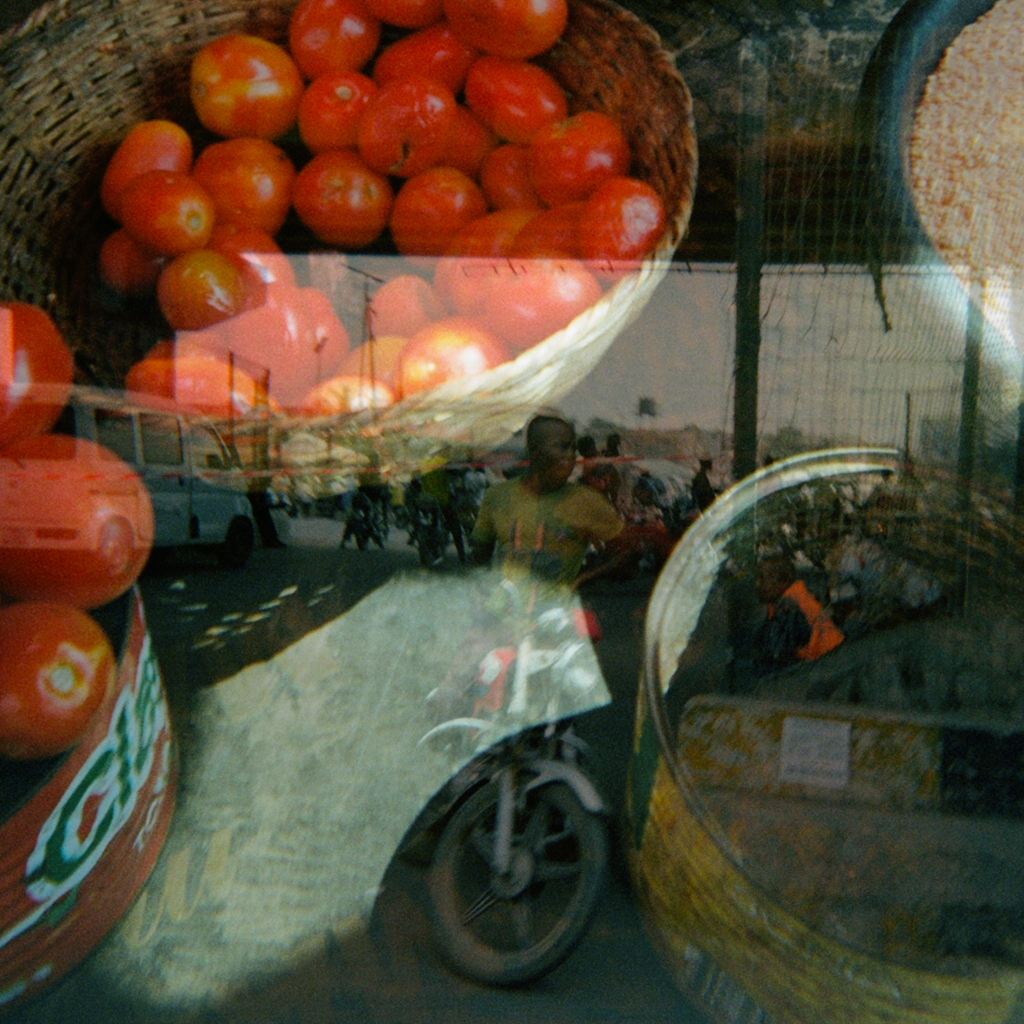
As a person of the diaspora, food has been my strongest connection to Nigeria, my birthplace, until recently. I was born in Kano and moved to the UK when I was three years old. With no retrievable memories of my short time in Nigeria, I have often wondered what my return to the “motherland” would be like. Of course when I finally visited 25 years later, it was nothing like I expected, except for the food.
When we were packing to travel my mum stressed the importance of bringing certain foods and drinks with us: porridge, tea, snacks, to give as gifts but also for our comfort; “Food and drink won’t taste the same there”. She was right to a certain extent. I got sick towards the end of the trip with traveller’s tummy due to eating anything and everything with reckless abandon and, like my mum prescribed to help restore my energy when I would get sick as a child, my uncle bought me a 1L bottle of the original Lucozade. It tasted medicinal in a way Lucozade in the UK does not. However, one thing that did taste familiar was a lot of the food I had grown up eating such as okro soup, egusi, stew and pepper soup. I was eating food I have known and loved since I can remember. Yet the food was unfamiliar because it was a new experience, in a state I had never been to before, cooked with slightly different ingredients and methods than I would have used. How curious it was to be reminded of the UK where I have grown up eating dishes that are native to Nigeria because of how food has transcended geographical bounds dispersed by people who have, over time, sometimes by choice and sometimes by force, created a home away from home.
Food first and foremost is sustenance followed closely by its first cousin enjoyment and second cousin comfort. This made me think about how, for our parents who were building their lives from scratch in a foreign country, being able to cook native Nigerian dishes would have been an important source of connection; providing a sense of familiarity to a place they know and facilitating bonds and community with fellow immigrants. Whilst for a diasporan like myself, who has been raised on a main course of British culture whilst my Nigerian culture is relegated to a starter or dessert, food alone may seem like an insufficient conveyance of my inherited culture to some. Yet food is the most important thing we need to live, which is directly connected to the body, mind and soul, and which calls for habituation. This means it has become integral to the day-to-day rhythm of my life; an important constant that reminds me of a place that shapes my world from afar.
Published in Chicken + Bread zine, Issue 4, titled "Motion" (2025)
For more stories like this and insights on my process join my newsletter.